Stormwater management in municipalities
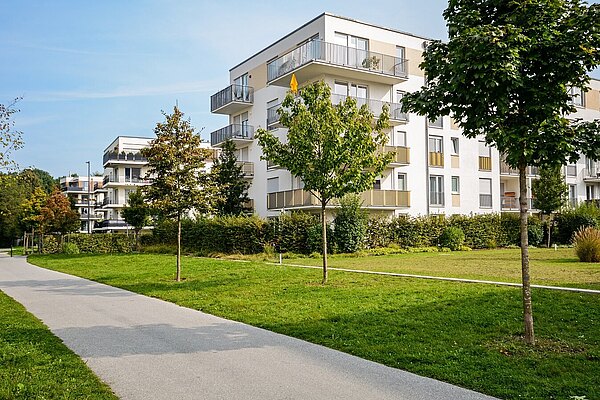
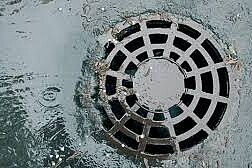
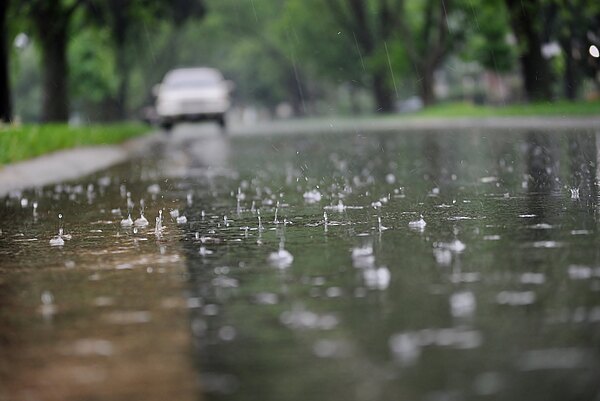
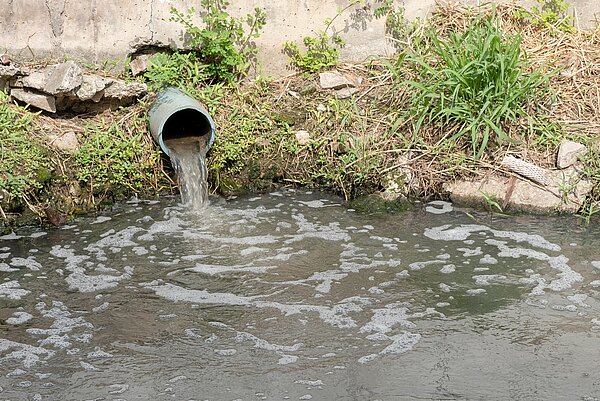
Stormwater management in municipalities is of crucial importance for the sustainable management of stormwater. In view of increasing urban development and climate change, the efficient handling of rainwater is becoming increasingly important. Municipalities are implementing various strategies such as green roofs, stormwater infiltration systems, attenuation basins and infiltration systems to collect, clean and use rainwater.

Integrating stormwater management into urban development

Prevent flooding, support groundwater recharge and thus reduce the load on sewer systems. By using rainwater for green space irrigation, toilet flushing or industrial processes, municipalities can conserve drinking water resources.
The planning and implementation of effective stormwater management requires a holistic approach, taking into account local conditions such as topography, soil conditions and building density. Local authorities are increasingly relying on incentives such as financial support or guidelines to motivate private households and companies to implement stormwater management-related solutions.
Improved cooperation between authorities, experts and citizens is crucial in order to develop and implement efficient strategies. Education and awareness-raising measures also play an important role in raising awareness of the importance of stormwater management and encouraging citizens to actively participate.
Overall, holistic stormwater management is an essential component for resilient, sustainable and future-proof urban areas. By utilizing natural resources such as stormwater, municipalities can not only manage their water resources more efficiently, but also contribute to a greener and more livable environment.

Sustainable Development Goals of the United Nations
After many years of intensive negotiations, all United Nations member states have committed to transforming the global economy in a climate-friendly way. The GREEN Deal should even lead to investments in the European Union of at least 1 trillion euros by 2050. euros by 2050. The 17 Sustainable Development Goals describe what needs to be done in concrete terms.
However, at least 9 of these can never be achieved without sustainable water management.
You can find more information on our page on the sustainable goals at INTEWA.
